
Saudi Arabia’s 2026 Egg Import Ban: Why Pakistan Is Still Open for Business
In early 2026, the Saudi Food and Drug Authority (SFDA) issued a nationwide Saudi Arabia egg import ban affecting 40 countries due to HPAI risks. For Gulf importers sourcing table eggs, here is what changed and where Pakistan stands.
Which Countries Are Affected by the Saudi Arabia Egg Import Ban?
Direct answer: The SFDA’s 2026 ban list covers 40 countries, including several major global egg exporters — India, China, Indonesia, and Bangladesh among them plus partial regional restrictions in 16 additional countries.
The full ban applies to Afghanistan, Azerbaijan, Germany, Indonesia, Iran, Bosnia and Herzegovina, Bulgaria, Bangladesh, Taiwan, Djibouti, South Africa, China, Iraq, Ghana, Palestine, Vietnam, Cambodia, Kazakhstan, Cameroon, South Korea, North Korea, Laos, Libya, Myanmar, the United Kingdom, Egypt, Mexico, Mongolia, Nepal, Niger, Nigeria, India, Hong Kong, Japan, Burkina Faso, Sudan, Serbia, Slovenia, Côte d’Ivoire, and Montenegro.
The SFDA also imposed partial restrictions on 16 additional countries including Australia, the United States, Italy, Belgium, Poland, France, and Canada targeting specific states, provinces, or cities.
Why Was the Ban Introduced?
The SFDA enacted these restrictions as a precautionary measure to protect public health and guarantee food safety across domestic markets., tied to the global spread of highly pathogenic avian influenza (HPAI). The SFDA emphasized that the restrictions are preventive in nature rather than a response to a confirmed outbreak in every listed country. UkrAgroConsult
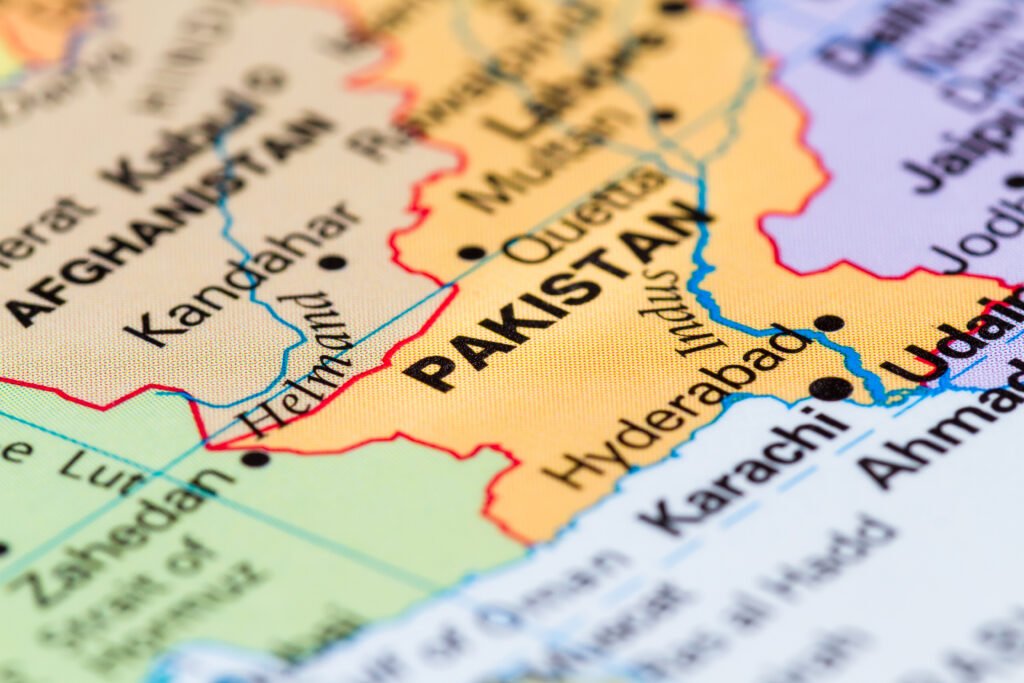
Why Pakistan Is Exempt From the Saudi Arabia Egg Import Ban
Direct answer: No. Pakistan does not appear on either the SFDA’s full-ban list or its partial-restriction list published in 2026. Table eggs and poultry products from Pakistan are not currently subject to this restriction.
This matters commercially because several banned countries are significant global egg exporters. With India, Bangladesh, China, and Indonesia all restricted simultaneously, Gulf buyers who previously sourced from any of these markets now face a genuine, immediate supply gap not a hypothetical one.
To be precise: absence from the ban list is not the same as pre-approval. Exporters still need standard SFDA facility registration, product registration through the Ghad platform, Halal certification, and a veterinary health certificate confirming disease-free flock status. What the ban list confirms is that Pakistan isn’t starting from a restricted position the way currently banned countries are.
How Long Will the Saudi Arabia Egg Import Ban Last?
Some of the current bans have been in place since 2004, while authorities introduced other bans gradually over the years based on risk assessments and international reports on animal diseases. The SFDA regularly reviews the list in line with global health developments and epidemiological updates, so restrictions aren’t necessarily permanent — but buyers shouldn’t assume a quick reversal either. gulfnews
What Should Gulf Buyers Do Now?
“If your supplier operates in a banned country, the SFDA closes that supply line indefinitely. Unprepared buyers risk severe inventory shortages when their next shipment falls due.
For importers considering Pakistan, this is a moment to move rather than wait. Supplier qualification facility registration, certification review, sample shipments takes time even under normal conditions. Starting that process now, while competing suppliers scramble to requalify from banned markets, is a genuine first-mover advantage.
What Should a Compliant Pakistani Exporter Have Ready?
Before selecting a supplier for the Saudi market, confirm they can provide:
- Valid Halal certification recognized under SFDA.FD/GSO 2055-1 and SFDA.FD/GSO 993
- Veterinary health certificates confirming avian-influenza-free flock status
- ISO 22000 and HACCP food safety certification see our certifications for what we hold and how to verify them
- SFDA facility and product registration through the Ghad platform
- Documented cold-chain handling from farm to port which we detail in our production production operations overview
Chaudhry Group maintains ISO 22000, HACCP, and Halal certification across its integrated Faisalabad operations, with documentation available for SFDA registration review. For pricing context while you evaluate suppliers, see our current egg export pricing guide.
Frequently Asked Questions
Did Saudi Arabia ban egg imports from Pakistan in 2026?
No. Pakistan does not appear on the SFDA’s full-ban or partial-restriction lists issued in 2026.
Which major egg exporters face the Saudi ban?
India, China, Indonesia, and Bangladesh are among the 40 countries on the full-ban list all significant global egg or poultry exporters.
Does exemption grant automatic approval to export to Saudi Arabia?
No. Exporters still need standard SFDA facility and product registration, Halal certification, and veterinary health documentation regardless of ban status.
How long do SFDA import bans typically last?
It varies — some bans have been in place since 2004, while others are more recent. The SFDA reviews the list periodically based on animal health reporting from the World Organisation for Animal Health (WOAH).
Where can I verify the current SFDA ban list myself?
The SFDA publishes its official policy updates directly — buyers should confirm the current list via the SFDA’s official site or a recent report from a source like Gulf News before finalizing sourcing decisions, since the list is subject to periodic revision.
Source a Compliant Supplier Now
If your Saudi supply chain has been disrupted by this ban, talk to Chaudhry Group’s export team about our current certification documentation and export capacity for the Saudi market.